Complete Guide to Horizon Fence Company Austin
Reliable Fence Replacement Services for Every Budget
Reliable fence replacement services are vital for homeowners seeking to enhance their property. With numerous choices on the market, from budget-friendly chain link to elegant wooden styles, there is an option suited to every price range. Recognizing personal requirements, such as privacy and aesthetics, plays a key role in this decision. Nevertheless, picking the most suitable professional and materials can prove challenging. What aspects ought to be examined to secure a favorable conclusion?
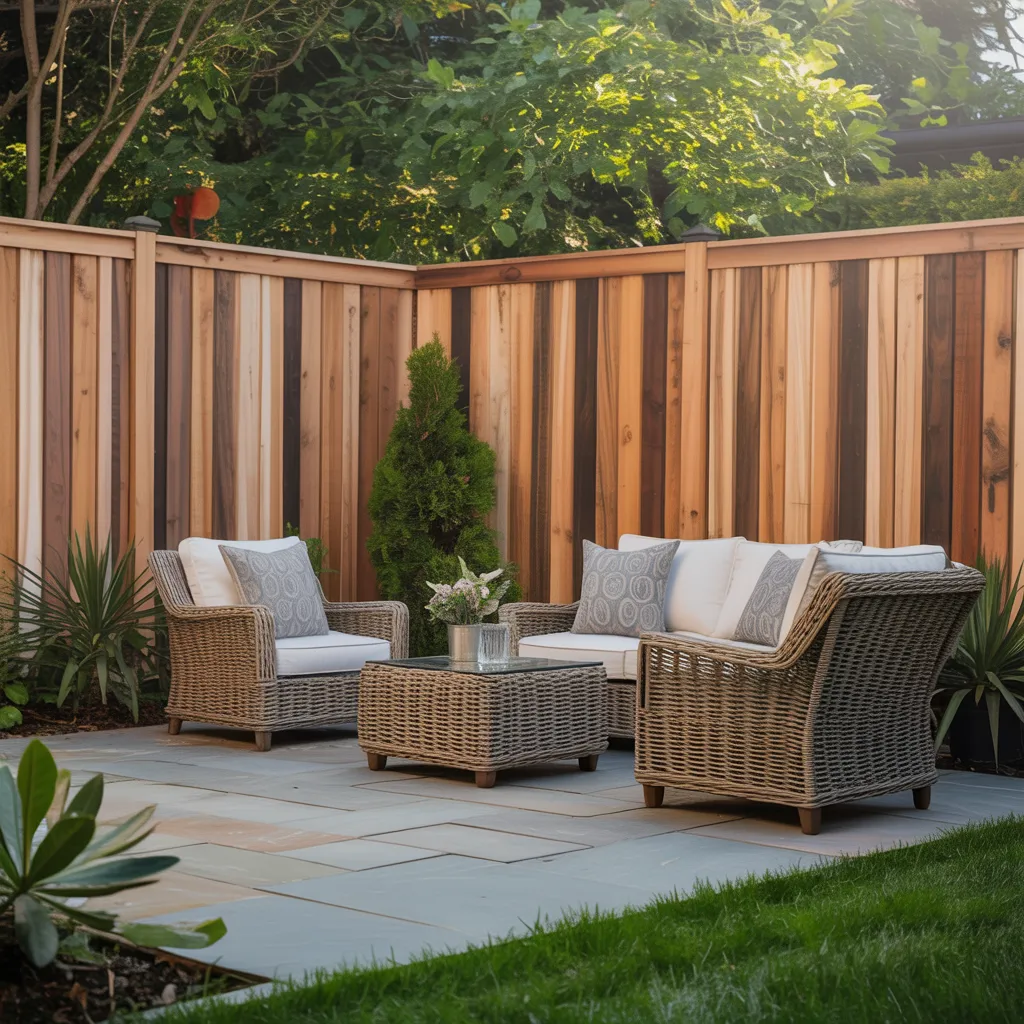
How to Find the Ideal Fence for Your Property
When considering the ideal fence for a property, one should carefully consider various factors that influence the decision. The primary considerations include the intended function of the fence, including privacy, security, or curb appeal. Additionally, the local climate plays a significant role; the chosen materials must resist environmental elements to ensure lasting performance. Land boundaries and municipal zoning requirements must likewise be assessed to avoid potential disputes with neighbors.
Another key aspect to consider is maintenance; some materials require more upkeep than others. Homeowners need to assess their readiness to invest time and resources into maintaining their fence. Additionally, individual aesthetic preferences should complement the property's architectural style. By weighing these considerations, property owners can arrive at thoughtful decisions that elevate their space while satisfying their particular needs.
Economical Fencing Options: Materials and Styles
When evaluating fence replacement, affordable options can provide both value and aesthetic appeal. A variety of materials, such as vinyl and chain-link fencing, offer cost-effective solutions without cutting corners on durability. Moreover, versatile design options allow property owners to reach their aesthetic goals while staying within their budget.
Cost-Effective Material Selections
Budget-friendly material choices for fencing can significantly impact both the cost and aesthetic appeal of a property. Widely used options include chain link, which offers strength at a reduced cost, and vinyl, known for its minimal upkeep and long lifespan. Wooden fences, particularly pressure-treated pine, deliver a timeless appearance and can be economical if sourced locally. Composite materials, while a bit costlier, combine the look of wood with improved longevity, making them a smart investment. Furthermore, bamboo is an environmentally friendly choice that can lend a one-of-a-kind appeal to outdoor spaces. Each material presents unique advantages, enabling homeowners to choose choices that match their financial constraints while elevating their property's appearance.
Flexible Design Choices
Picking the ideal components for your fence not only affects your budget but also unlocks a range of design options. Homeowners can select from a range of cost-effective options, such as vinyl, wood, or chain-link fences, each featuring unique design characteristics. For instance, vinyl can replicate the look of wood while requiring less care, while chain-link is best suited for an clear, unobstructed view. Furthermore, wood can be colored or finished to complement any landscape, offering flexibility. Choices like picket or split rail styles can boost visual appeal without overspending. By thoroughly reviewing these styles and materials, property owners can establish a beautiful fence that complements their home while respecting financial constraints.
Factors That Ensure Long-Lasting Durability
Even though numerous materials present varied aesthetic properties, their resilience significantly influences the lifespan and upkeep of cost-effective fencing solutions. Wooden fencing, despite being valued for its classic aesthetic, may experience deterioration and insect infestation if left untreated. Vinyl presents a more resilient alternative, resisting fading and cracking, though initial costs may be higher. Chain-link structures deliver reliable endurance at an affordable rate but compromise on seclusion and decorative value. Metal options like aluminum are lightweight and resistant to corrosion, making them suitable for various climates. At the end of the day, picking a material that strikes a balance between price and longevity is vital for making certain that value-focused homeowners have access to a sturdy fence that lasts through the years while demanding minimal care.
Important Qualities to Seek in Fence Replacement Services
When assessing fence replacement services, what important factors should homeowners consider? To begin with, experience and expertise are crucial; established companies often possess the skills necessary to handle various fence types and installation challenges. Furthermore, a trustworthy service should offer clear communication, keeping clients updated at every stage.
The quality of materials is another important factor, as they directly impact the durability and aesthetic appeal of the fence. It is advisable for homeowners to seek out services that provide warranties, which demonstrates the provider's confidence in their craft and materials. Feedback and testimonials from previous clients can shed light on the reliability and professionalism of the service, assisting homeowners in choosing the right service provider.
Finally, design flexibility enables homeowners to pick designs that complement their individual preferences and home aesthetics. By considering these important factors, homeowners can choose a fence replacement provider that fulfills their goals and expectations in a reliable manner.
Comparing Costs: DIY Fence Replacement vs. Professional Installation
When evaluating replacing a fence, homeowners often weigh the expenses of DIY work versus professional services. A thorough examination of DIY expenditures uncovers the price of materials, equipment, and unexpected charges, while hiring professionals involves labor costs and skilled knowledge. Grasping these monetary considerations is essential for making an informed decision.
DIY Cost Breakdown
Numerous homeowners consider the expenses associated with fence replacement, evaluating the pros and cons of a DIY approach versus professional installation. A DIY fence replacement typically includes material costs, tools, and potential permits. The price of materials like wood, vinyl, or chain-link can differ significantly, with wood generally being the most affordable option. Property owners should also factor in tool expenses—acquiring or renting equipment can increase the total cost. Furthermore, although labor is not an immediate expense in a DIY undertaking, the time invested should be factored in, as it can be substantial. Unexpected challenges, such as difficult terrain or weather conditions, may further impact the budget, making a comprehensive financial assessment necessary prior to starting a DIY project.
Professional Services Expenditures
Homeowners weighing the DIY option commonly find themselves assessing the costs associated with expert fence installation services. Generally, enlisting professionals involves labor costs of $30 to $50 hourly, subject to the area and intricacy of the job. Supplies may also account for a considerable portion of the overall price, with professional services often sourcing higher-quality options than DIYers. Furthermore, experts frequently offer warranties and guarantees, offering enduring value and confidence. Even though DIY work can look less expensive initially, unexpected costs including tools, labor hours, and mishaps can mount quickly. Consequently, for those prioritizing efficiency and quality, professional services may prove to be a worthwhile investment in the long run.
An Overview of Fence Replacement Costs
What factors determine the costs associated with fence replacement? Several factors influence the overall price of this project. First and foremost, the type of material chosen—wood, vinyl, chain-link, or wrought iron—greatly influences pricing. These materials vary in aesthetic value, longevity, and pricing. Furthermore, the size of the area requiring fencing has a direct bearing on the total cost; more extensive properties demand additional materials and greater labor.
In addition, the complexity of installation and local labor rates can impact the overall cost. For instance, the need for permits or uneven terrain can contribute to elevated labor costs. Additional features like decorative elements or summary gates should also be taken into account by homeowners. Pricing can also be influenced by seasonal demand, as contractors tend to charge higher rates during busy periods. Grasping these variables is key for homeowners looking to budget appropriately and make informed decisions about replacing their fence.
Advice for Picking the Right Fence Replacement Contractor
When starting a fence installation project, what factors should one evaluate when hiring a contractor? First, it is important to validate the contractor's credentials, including insurance and licenses. This guarantees compliance with local regulations and protects the homeowner from liability. Following this, examining previous work and gathering references can provide insight into the contractor's consistency and quality of work.
Moreover, requesting numerous estimates provides better insight into market rates and makes it easier to recognize concerning indicators. Effective communication is equally essential; a professional should be attentive, transparent about the process, and ready to address concerns. Moreover, reviewing online testimonials can uncover client experiences and overall satisfaction. To conclude, a reputable contractor will include a warranty with their work, proving their trust in their own craftsmanship. By considering these factors, clients can reach a knowledgeable conclusion and pick a contractor best matched to their needs and spending limits.
Answers to Your Most Common Questions
How Long Does a Typical Fence Replacement Project Take?
A typical fence installation project typically requires between one and two weeks, depending on considerations including the total area involved, type of materials used, and environmental conditions that influence the work.
Which Permits Are Needed for Fence Replacement?
As a rule, permits for fence replacement vary by location but often include building permits and zoning permits. Homeowners are advised to consult their local regulations to ensure they remain compliant, as requirements can vary considerably between municipalities and homeowner associations.
Can I Install a Fence on My Own Property Line?
Yes, a homeowner is permitted to put up a fence on their own lot line, provided they adhere to local ordinances and zoning guidelines. It is recommended to check property boundaries and consult neighbors to prevent possible conflicts.
What Care Is Necessary After Fence Installation?
Regular maintenance after fence installation encompasses examining for any damage, cleaning the fence surfaces, using protective stains or sealants, securing any loose hardware, and ensuring vegetation doesn't encroach. Ongoing care increases the fence's longevity and keeps it looking its best.
Are There Warranties Available for Fence Materials and Installation?
A variety of fence materials and installations come with warranty coverage, which vary by installer and manufacturer. Generally, such guarantees cover performance and defects, ensuring customers are given coverage for concerns that might develop following installation, enhancing the overall sense of satisfaction and security in their investment.